The Doctrine
Promotion intel for electronic artists and labels, built on 2,400+ campaigns run by our founding team. No theory, no filler.
What's a Good Repost Rate on SoundCloud? [Measured]
Median repost rate on SoundCloud peaks at 0.35% of plays, and only 17% of artists clear 1%. Measured across 2,000 profiles and 11,525 artists by scene.
Field Intel →
Hard dance and hardcore artists get 2.3x the plays per follower of techno at the same size. What 1,643 measured artists show about the scene's listeners.
The first genre-segmented SoundCloud engagement benchmarks. Techno, tech house and hard dance measured separately, because one average misleads all three.
Drum and bass breaks through media channels and radio before playlists. The label routes, why UKF matters, and the promo discipline the scene expects.
Hardstyle promotion runs on events, not playlists. The Dutch and Belgian label routes, why the festival calendar sets your release date, and what wastes money.
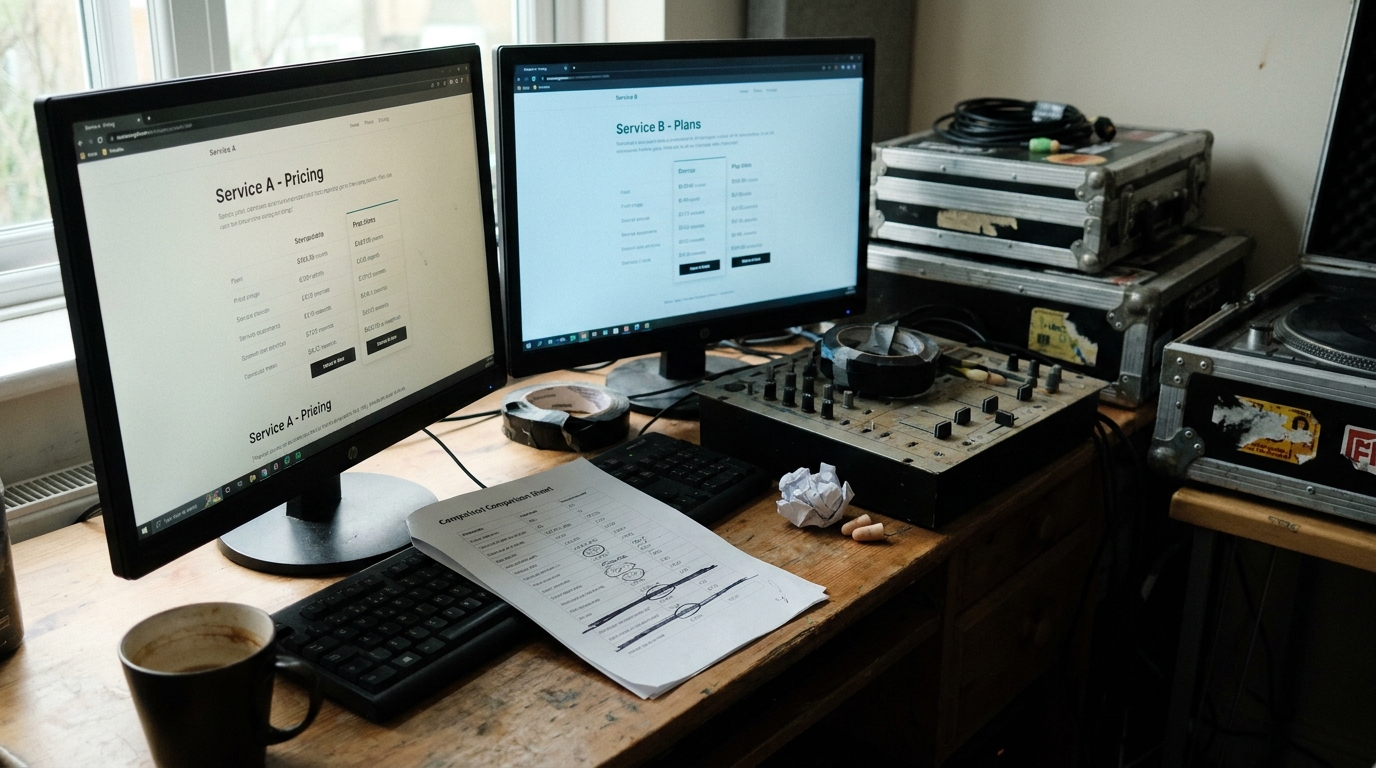
Six ways to buy TikTok music promotion, ordered by budget, every price checked against the provider's own page. Including the one we could not verify.
Your track is released but missing from TikTok, or the sound exists and is not linked to you. The five separate causes, and how to tell which one you have.
The Creator Marketplace moved inside TikTok One in 2026. What it gives a music artist, what it costs to run yourself, and when it is the wrong tool.
TikTok creator campaigns and Spotify Ads solve different problems for electronic artists. What each buys, what it costs, and which one your release needs.
Collecting fan emails is the easy half. What to send, how often, and how to keep a DJ mailing list alive instead of letting it quietly rot in an inbox.
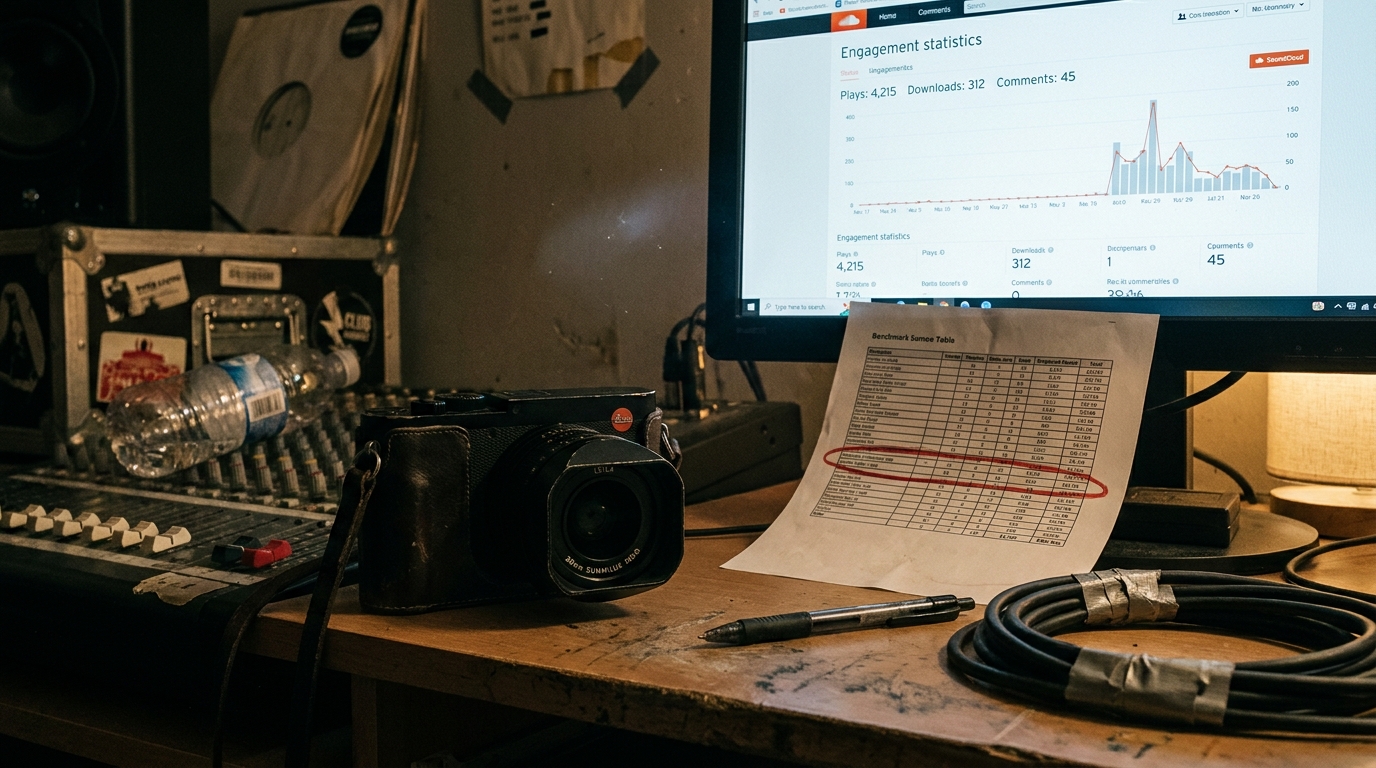
What a normal SoundCloud engagement rate is, measured across 2,000 profiles, plus the widely repeated comment-rate figure the data does not support.
What a normal SoundCloud plays-per-follower ratio is, measured across 2,000 profiles, and why catalogue size sets the bar instead of follower count.
How to audit your own SoundCloud profile in 20 minutes: reach, follower quality, engagement and catalogue, checked against 2,000 measured profiles.
How techno records break in 2026: the Beatport genre split that decides your chart, DJ-first seeding, the label route, and why playlists come last.
Beatport Hype eligibility, the 15 qualifying genres, what the subscription includes, and the two traps in Beatport's own FAQ to check before you pay.
How the Beatport Top 100 and genre charts are actually calculated, how often they update, and the pre-order rule that decides where a release starts.
Roster marketing is an approval and accountability problem, not a campaign problem. Why published prices and per-artist reports are what decide it.
Distribution has been white-labelled for a decade. Marketing never has. What a distributor's three existing options cost, and what a fourth looks like.
A&Rs do not sign from conversations at ADE, they sign from records they already heard. The six-week pitch calendar that makes the meeting a follow-up.
ADE 2026 runs 21-25 October for its 30th edition. What the week offers an emerging artist, what it costs, and how to work it so you leave with something.
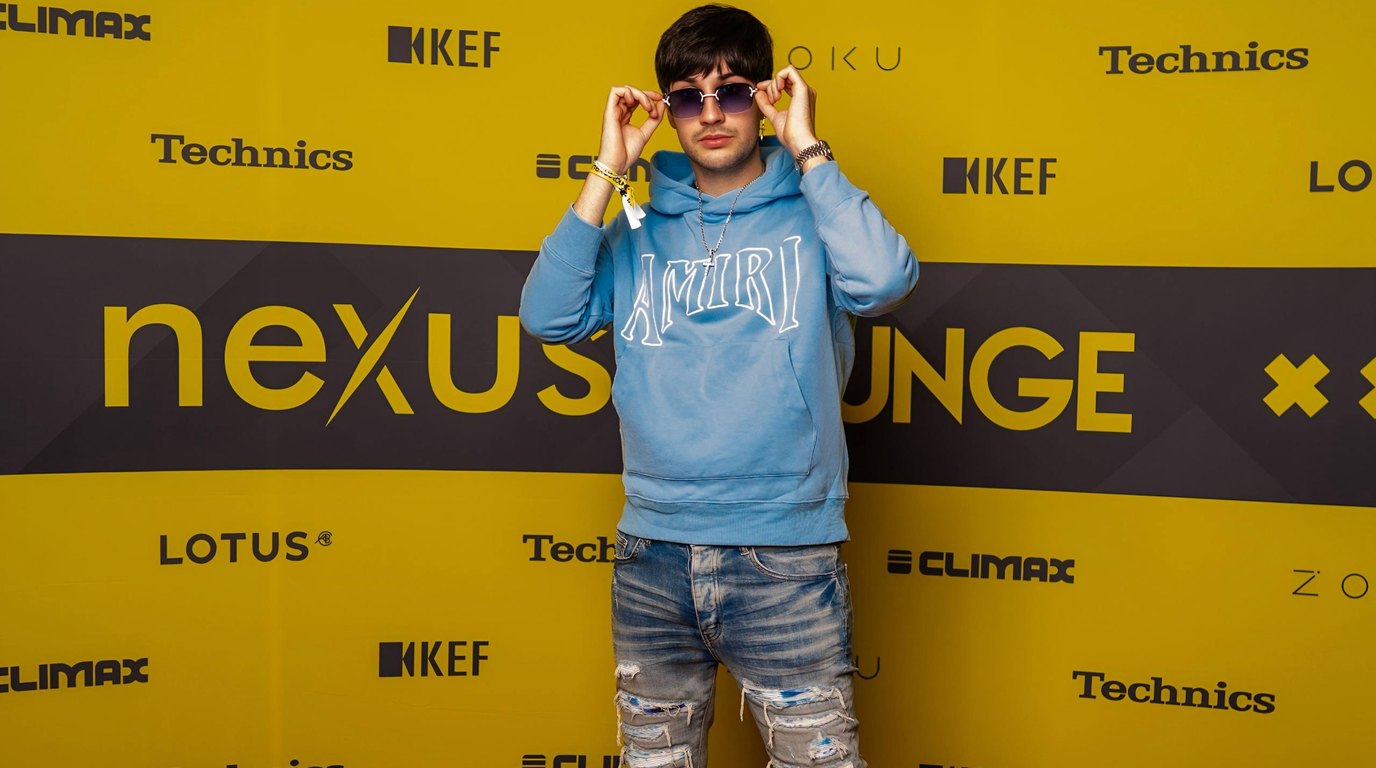
ADE 2026 is the 30th edition, with Jean-Michel Jarre as guest of honour and 350+ artists announced. What actually changes for an emerging artist attending.
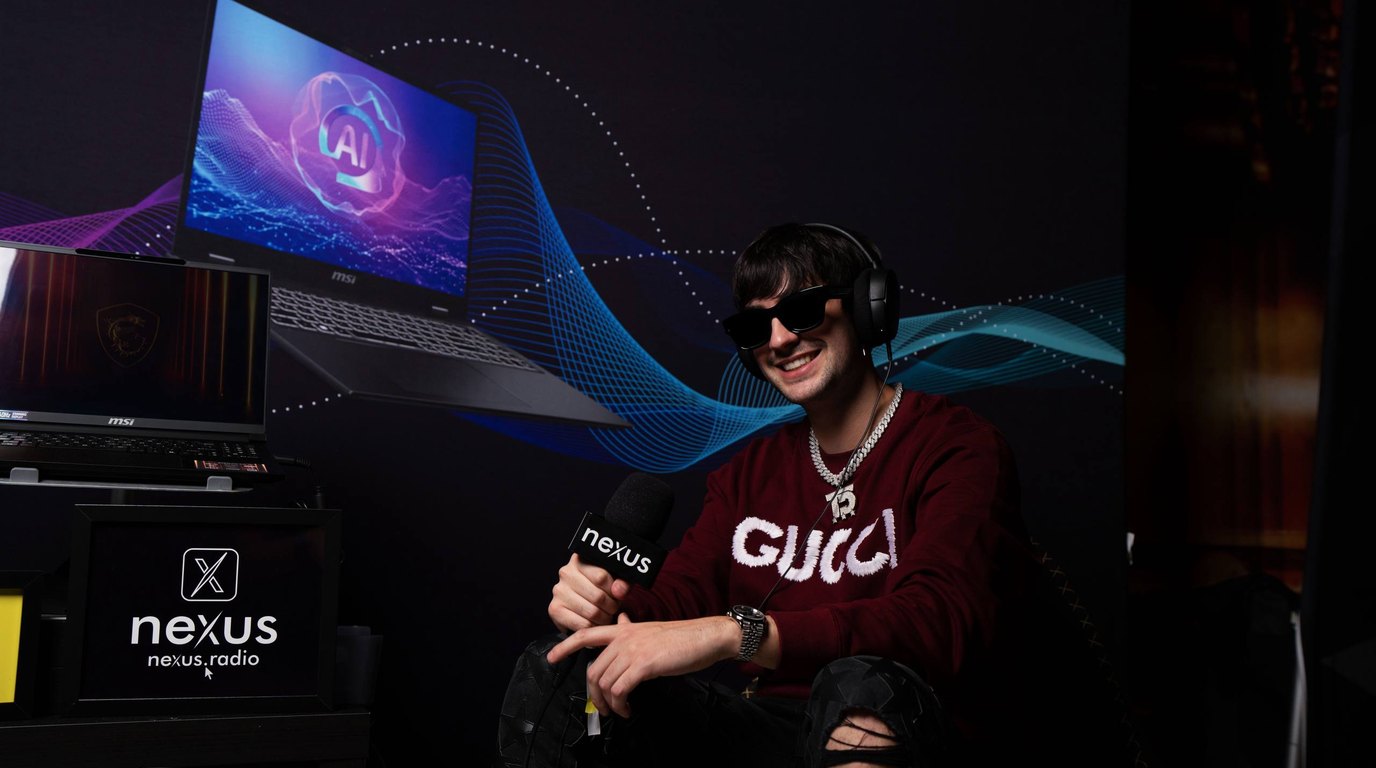
A practical checklist for your first Amsterdam Dance Event as an artist: what to prepare before you fly, what to do each day, what to send the week after.

Most ADE networking advice is useless. Where label managers and A&Rs really spend their days during Amsterdam Dance Event, and how to get in front of them.
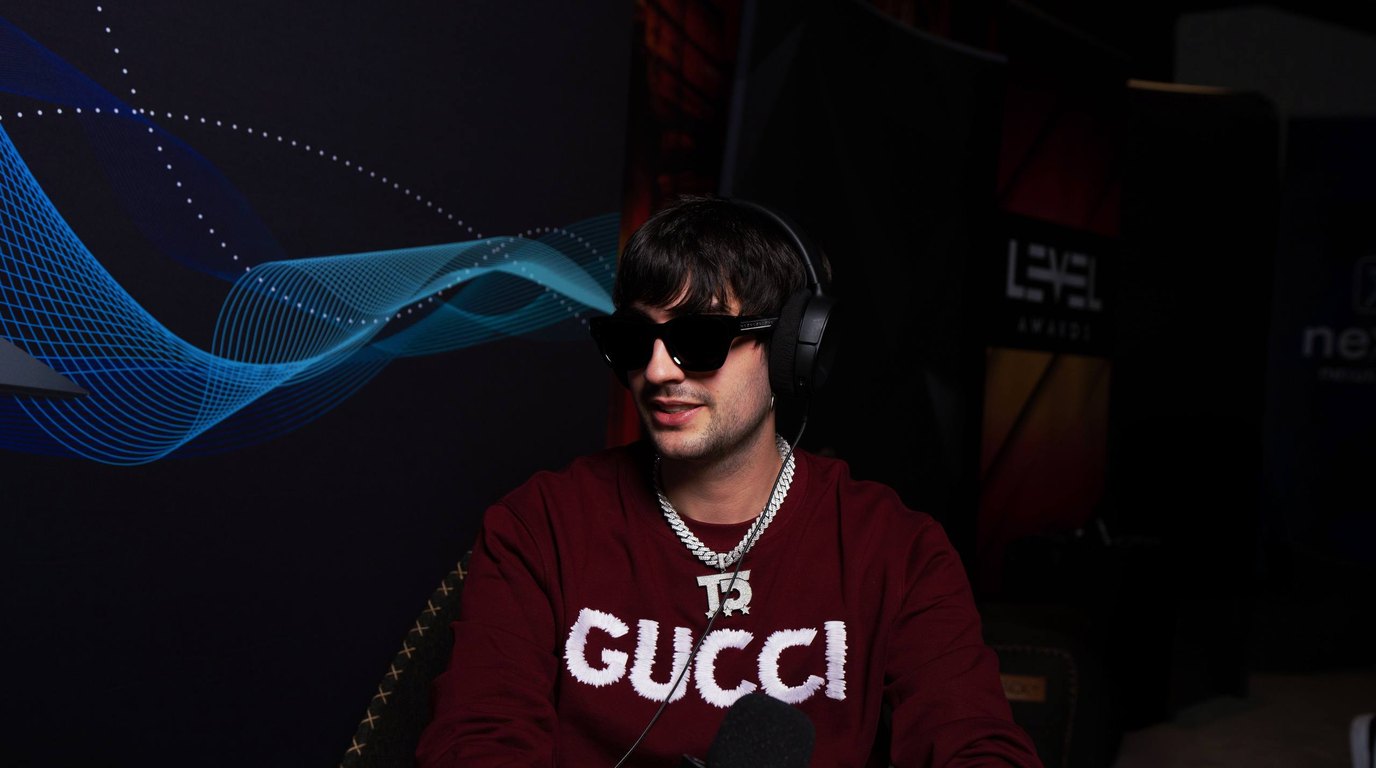
Editorial coverage during Amsterdam Dance Event is not luck. The routes that work for emerging artists, what each costs, and how to be worth interviewing.
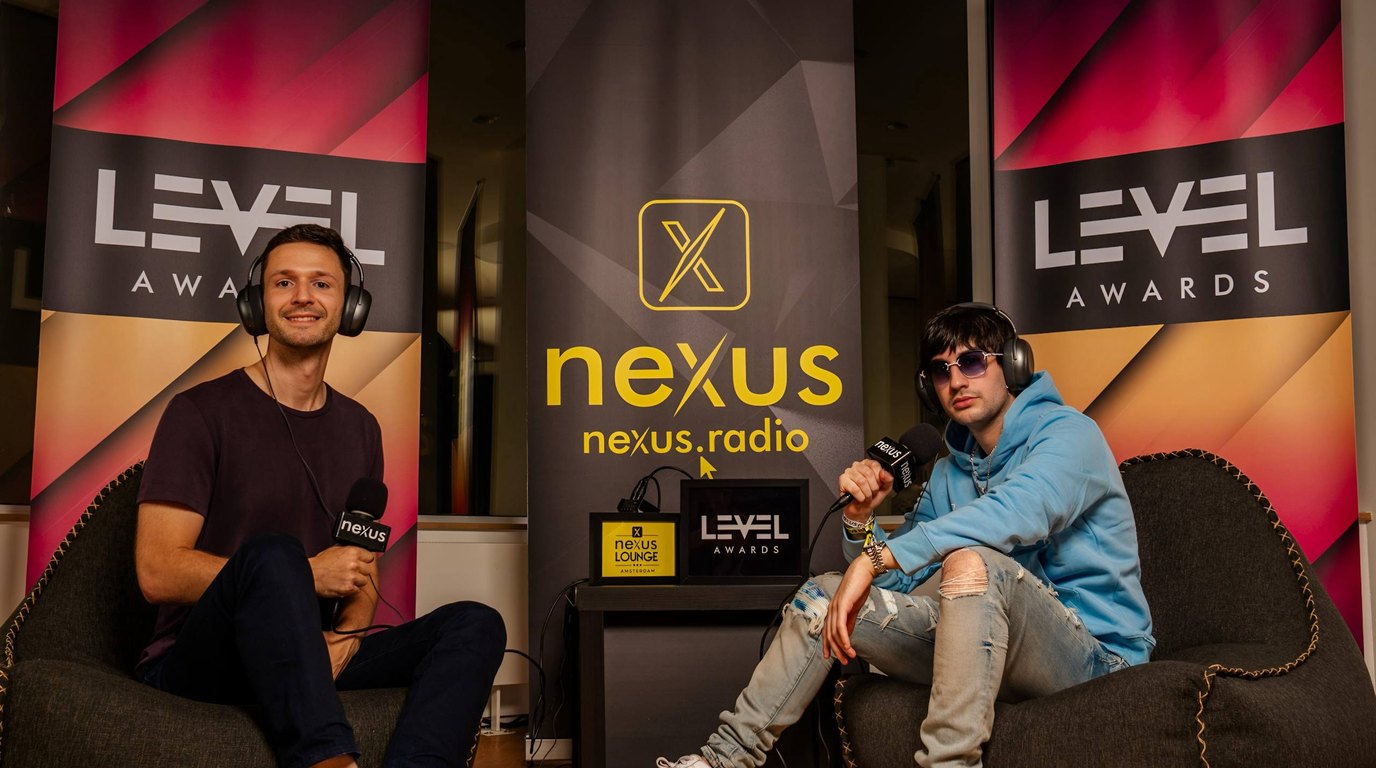
The ADE Pro Pass costs 725 euro plus fee in 2026. What is included, who gets their money back, and the cheaper routes that work almost as well for artists.
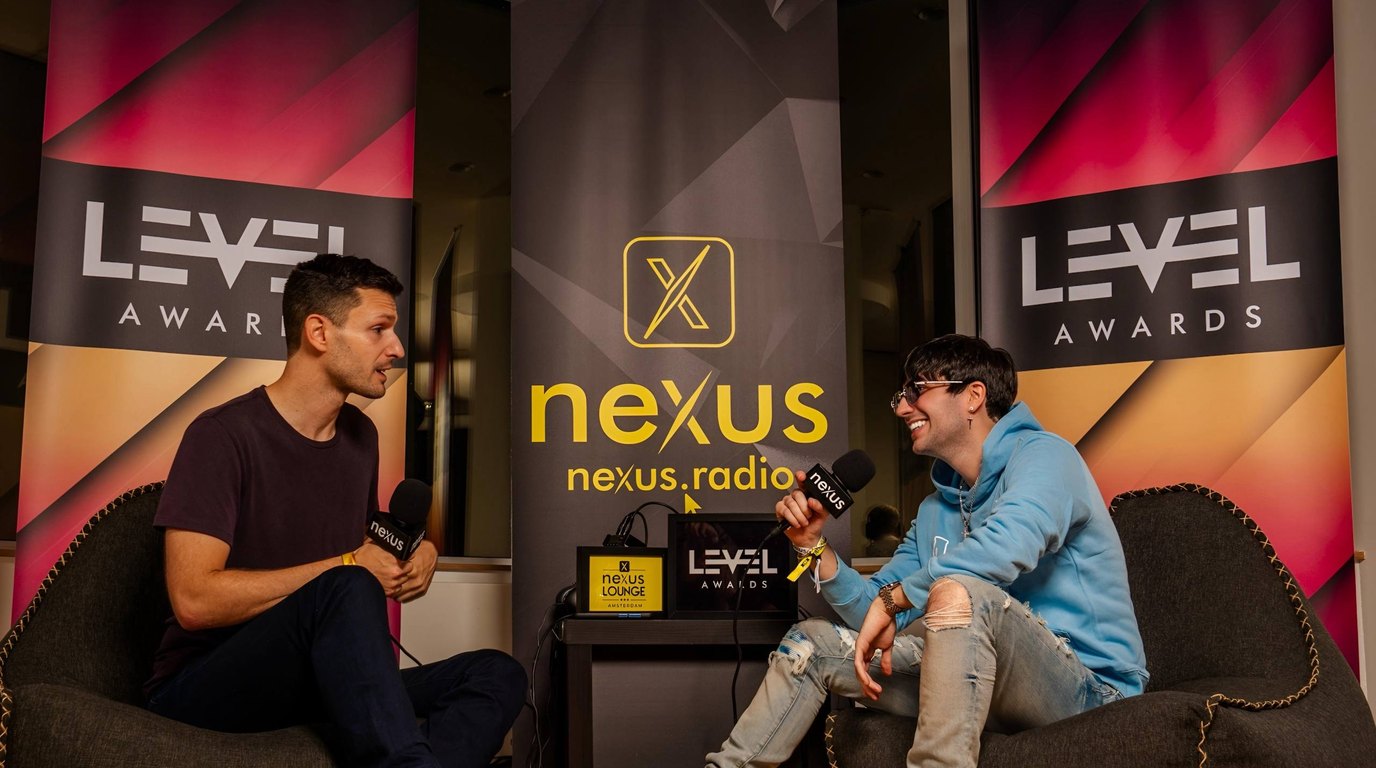
ADE costs an artist 1,500-2,500 euro for the week. The full line-by-line breakdown, what the money returns, and the five profiles it is worth it for.
The ADE window concentrates industry attention like no other week in dance music. When releasing into it helps, when it buries you, and how to time it.
Hypeddit vs Ōtocracy Gates, feature by feature: verified pricing, fan email terms, what the June 2026 SoundCloud change killed, and how to switch.
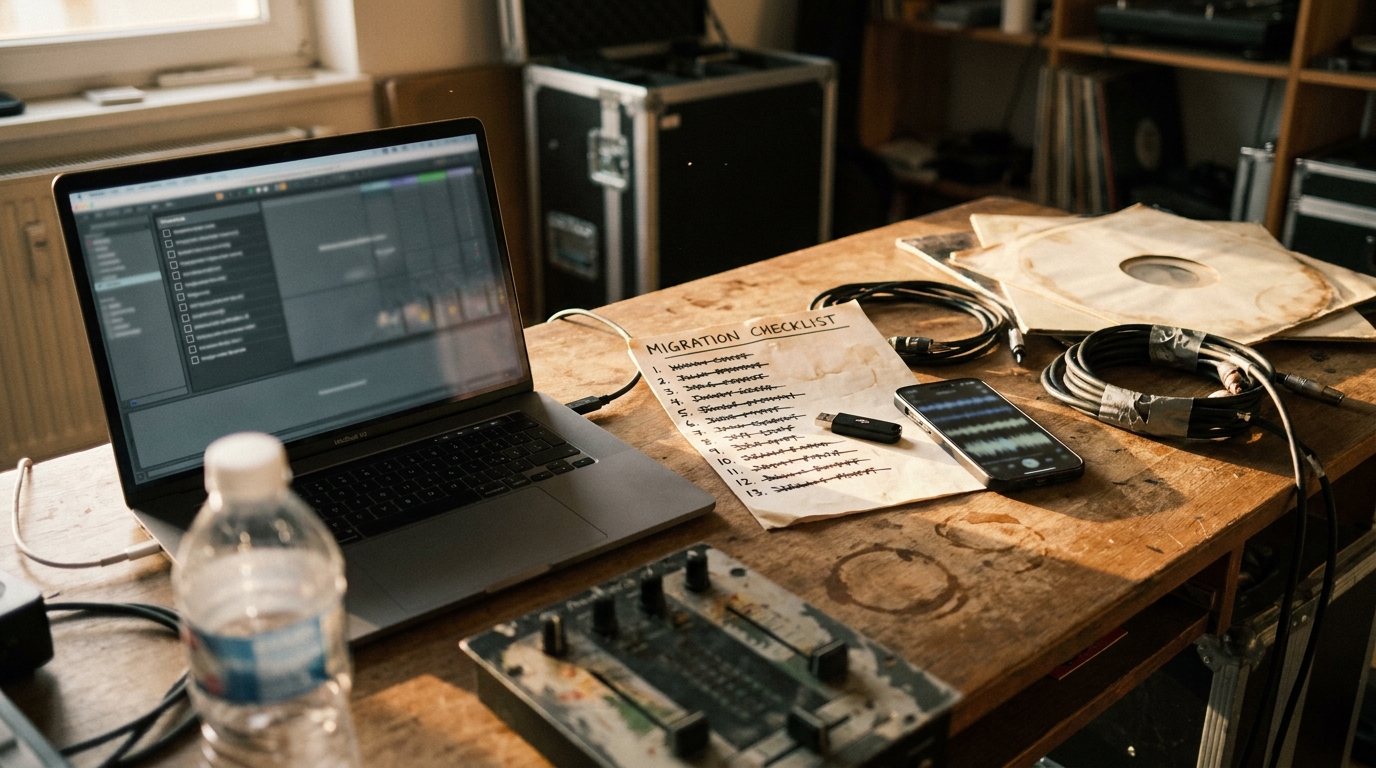
Step-by-step guide to moving your download gates off Hypeddit: export every fan email as one CSV, rebuild your gates free, and repoint your old links.
What SoundCloud's June 11, 2026 gate change actually did, who confirmed it, why switching tools won't fix it, and what download gates are for now.
What a download gate is, how gating works after SoundCloud's June 2026 change, and how EDM artists turn free downloads into fan email lists they own.
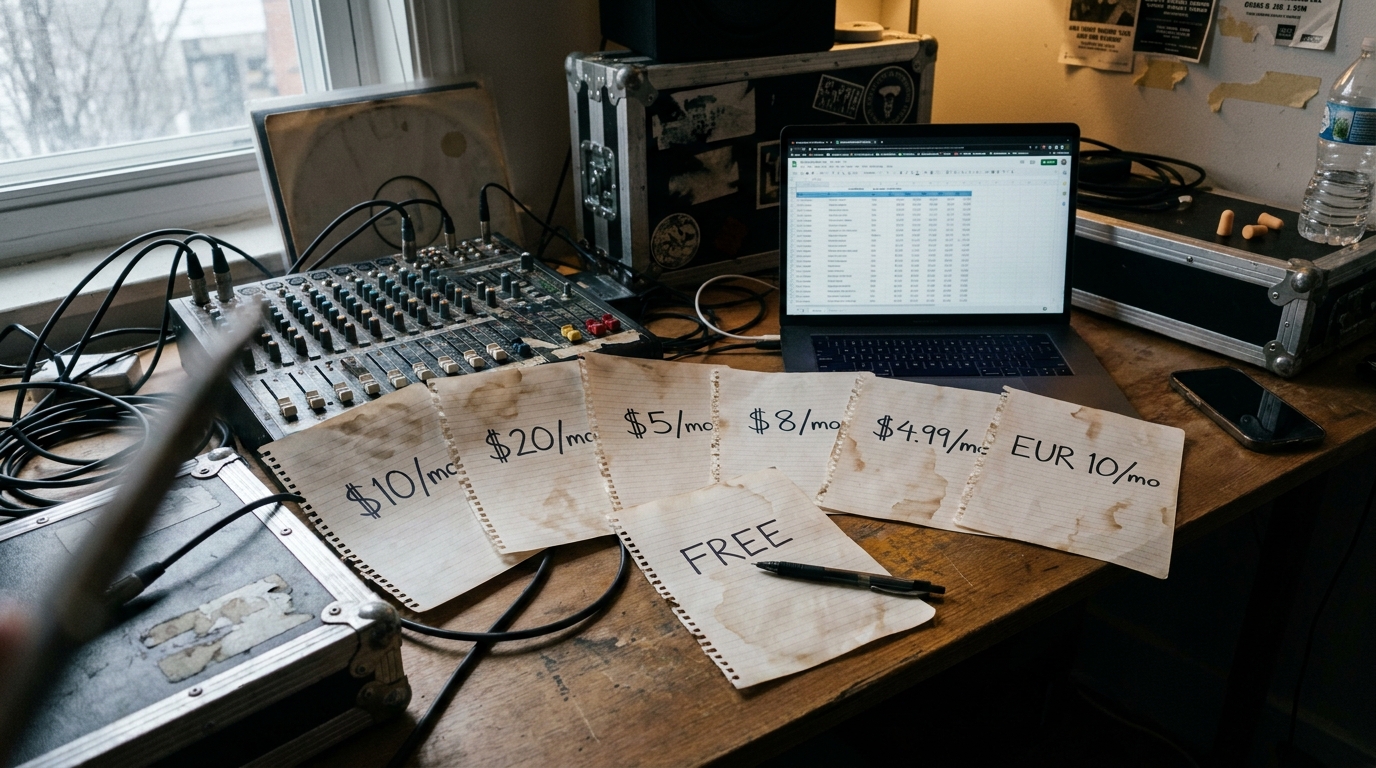
Every live Hypeddit alternative in 2026, compared honestly: verified pricing, free tiers, fan email ownership, and what SoundCloud's gate change broke.
Fake Spotify streams are a label liability: per-track penalties, removed tracks, damaged pitches. The roster audit that finds them before Spotify does.
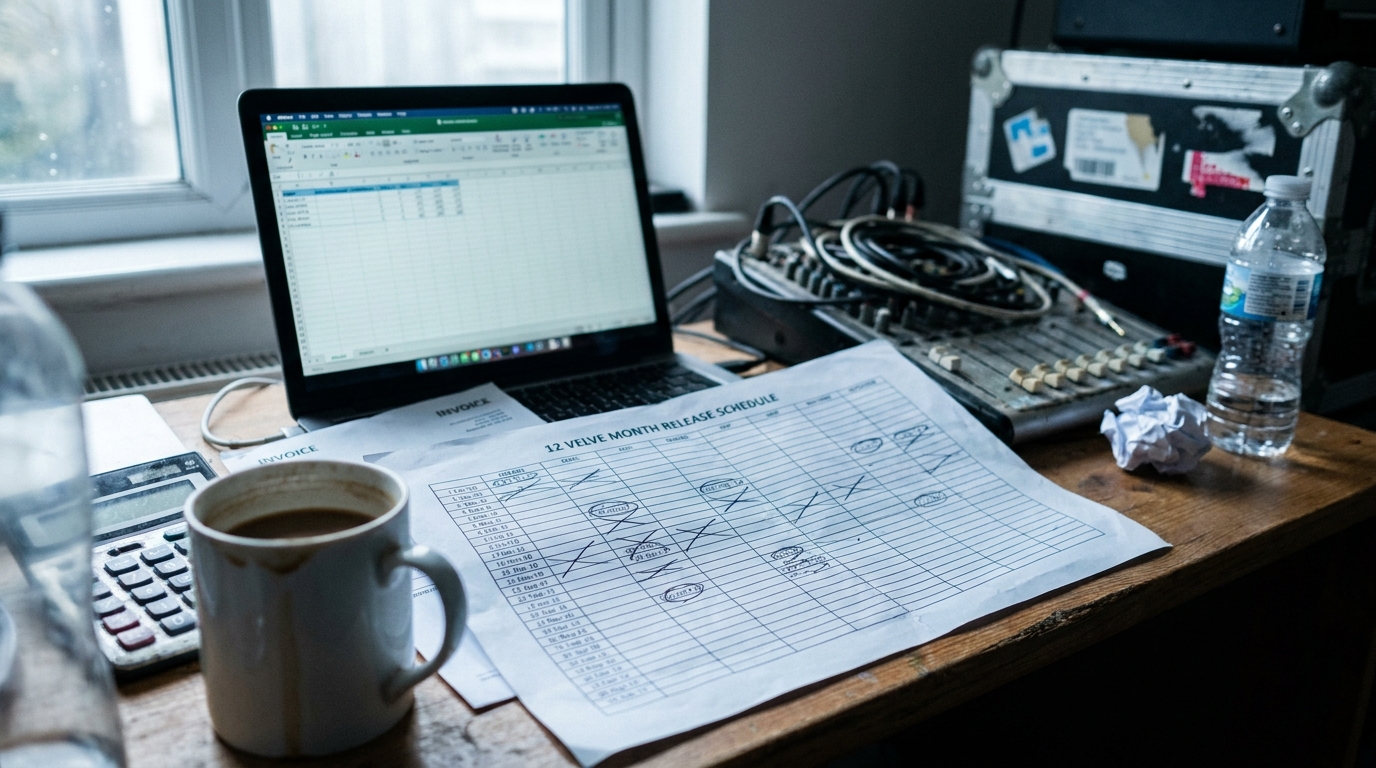
Build a label marketing budget for 2026: per-release tiers, the honest math for a 12-release year, reserve-pool rules and the leaks that drain rosters.
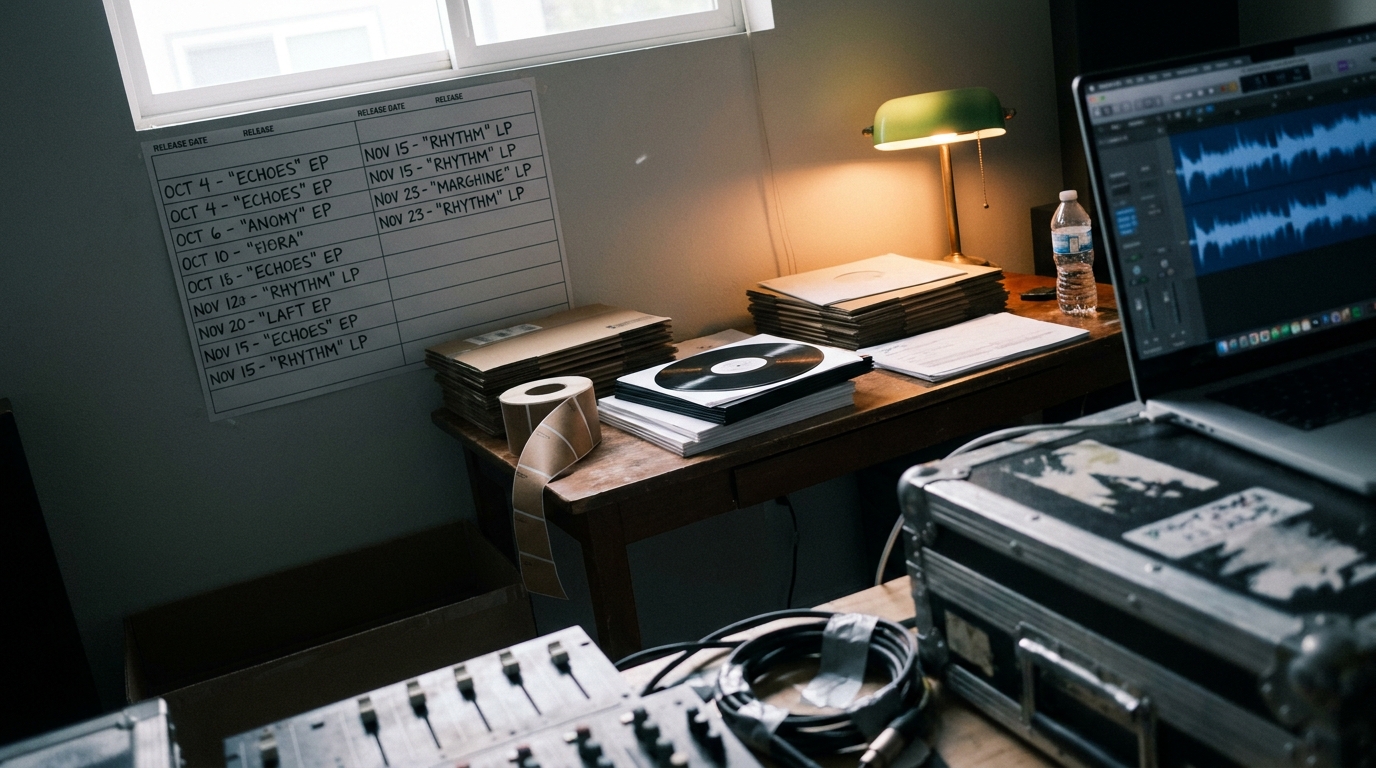
Music catalog promotion for labels in 2026: build a release pipeline where cadence compounds, old records earn again, and every drop feeds the next one.
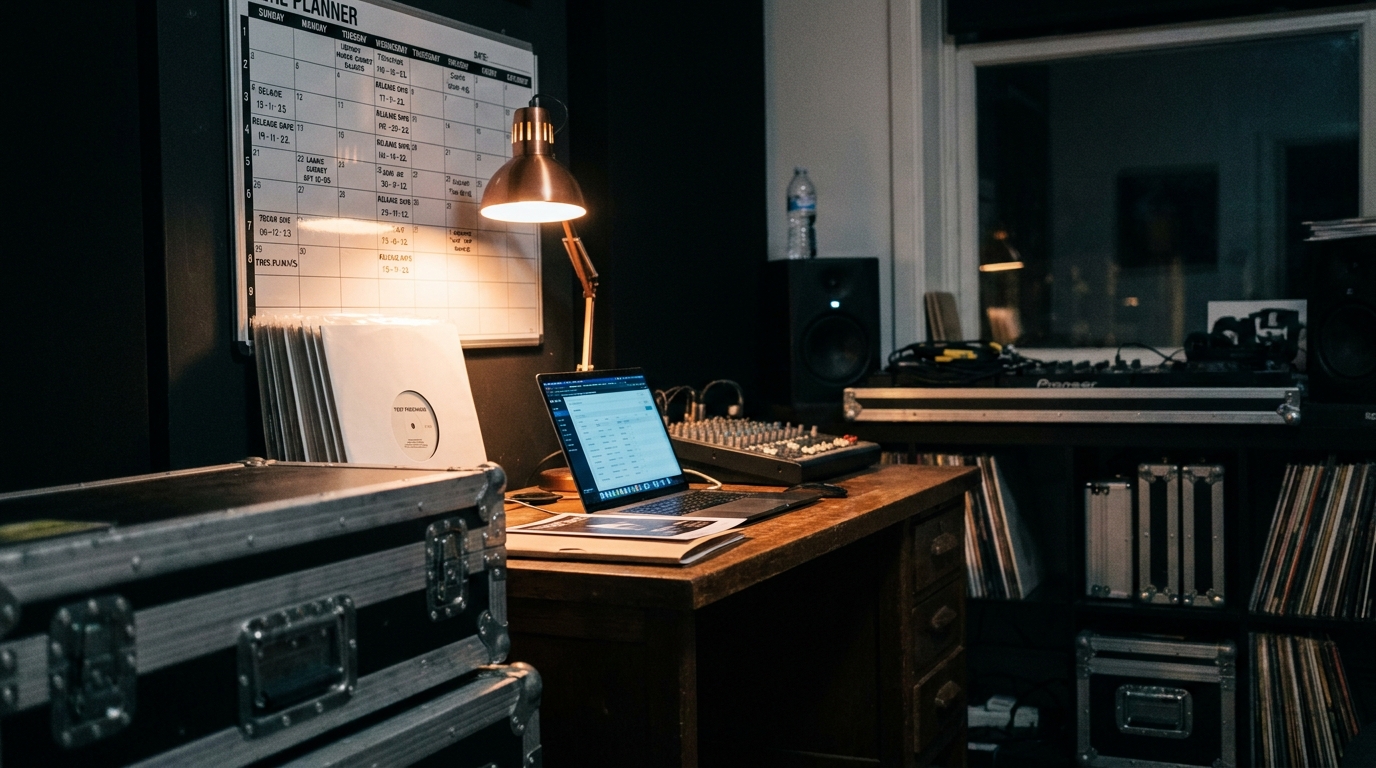
Music label marketing is portfolio management, not artist promotion times ten: the channel stack, roster economics and operating cadence for 2026.
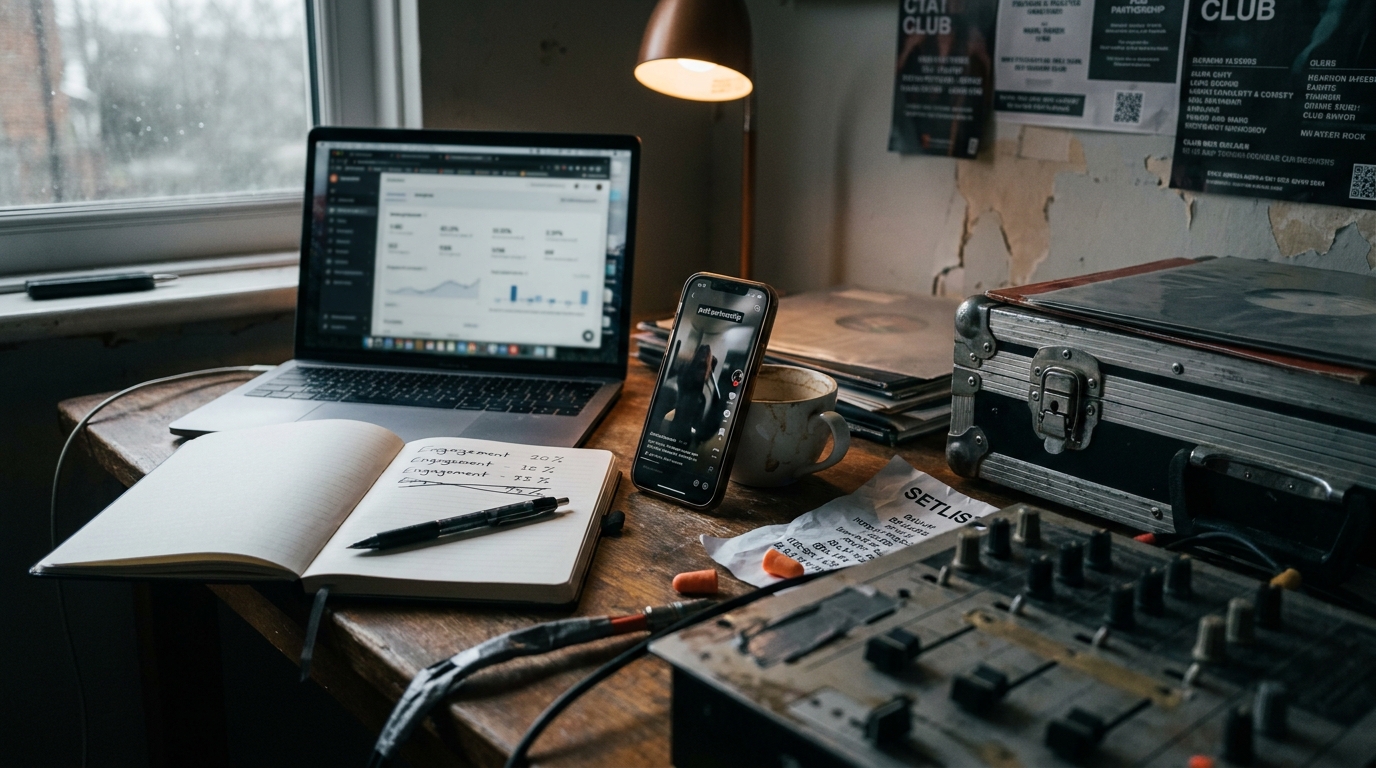
TikTok influencer music promotion in 2026: sourcing creators via TikTok One, spotting fake audiences with real benchmarks, briefing and attribution.
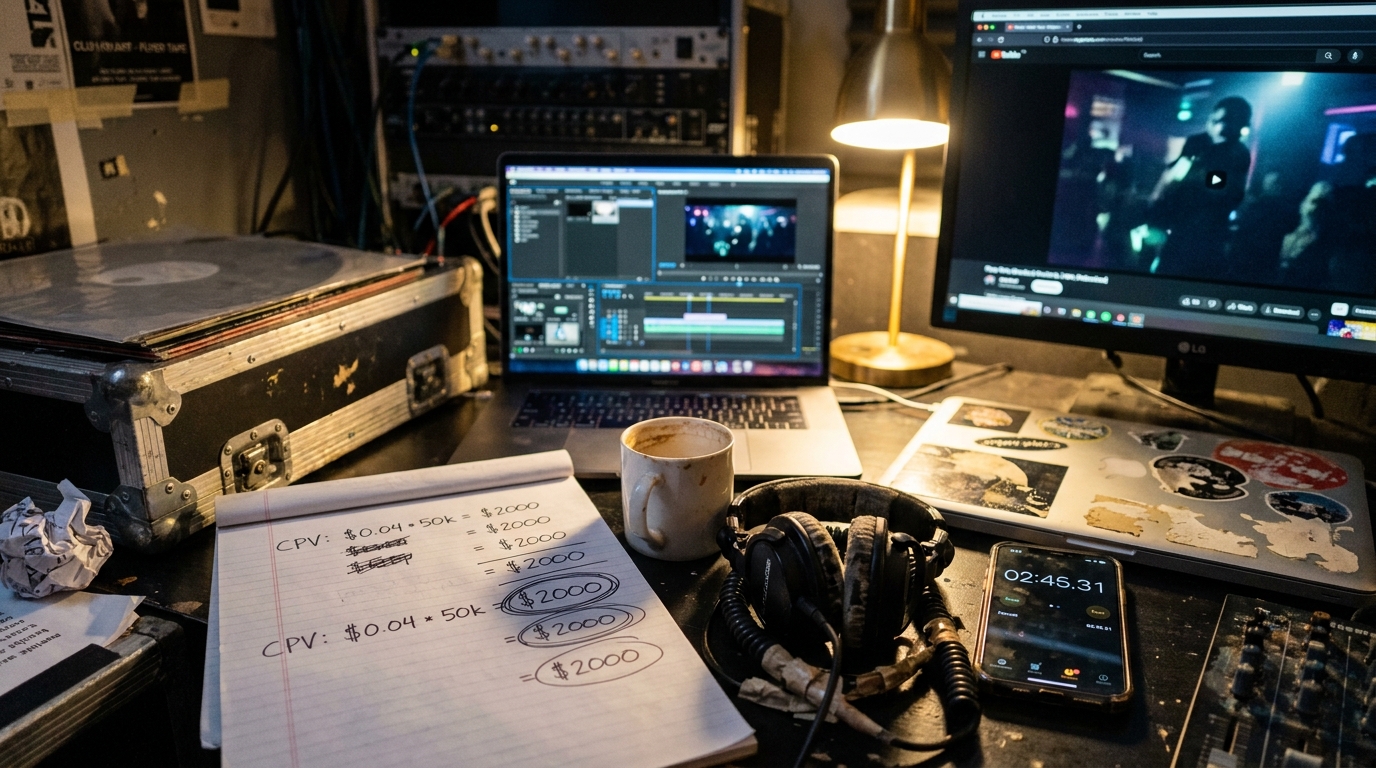
YouTube ads for music promotion in 2026: what a view costs by format, CPV and CPM benchmarks, campaign setup, and where music ad budgets quietly leak.
Afro house promotion in 2026: the IMS demand data, why records break in rooms before platforms, the label map, and the release timeline the genre rewards.
Music promotion in Germany for EDM artists: the club and festival calendar, streaming reality, the radio that still matters, and the language question.
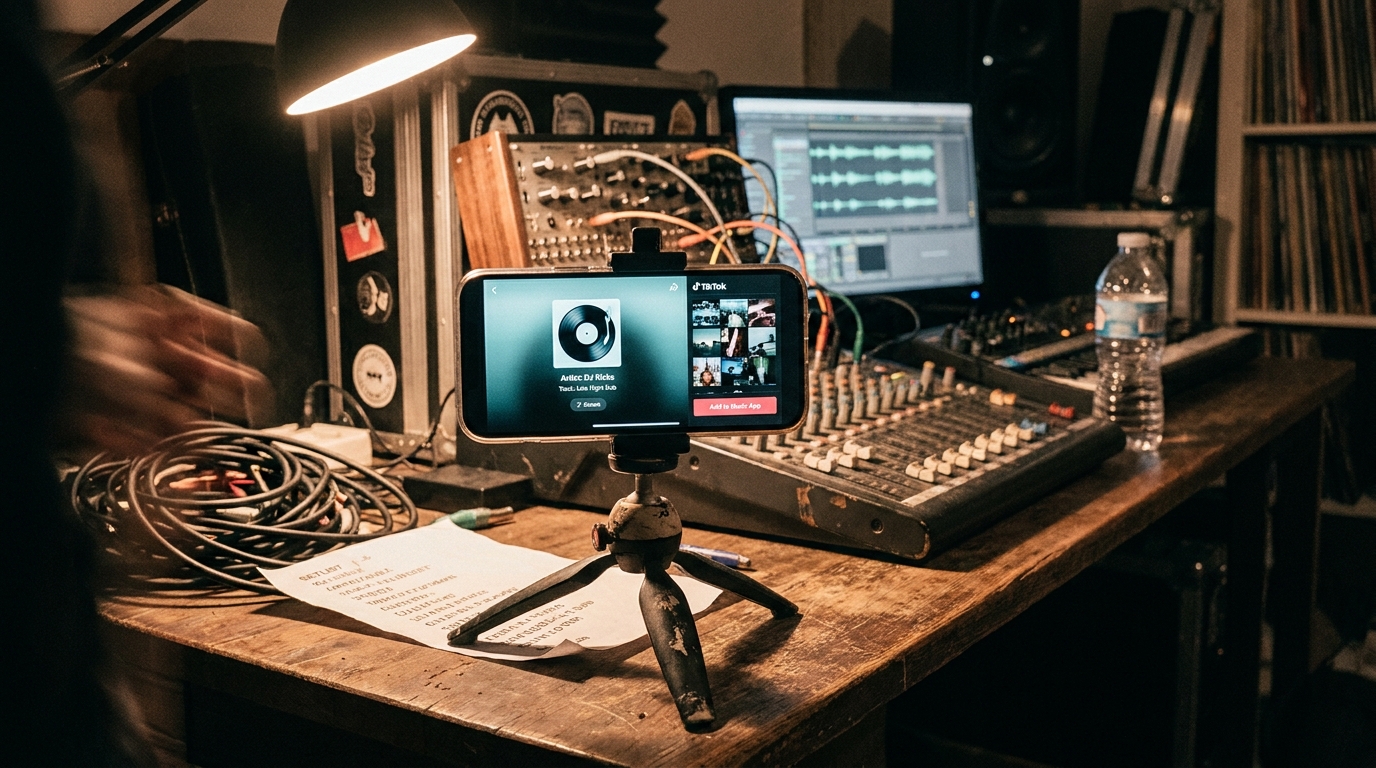
How TikTok sound promotion works: why sounds spread when videos do not, how to set up your official sound page, and how to seed it so creators use it.
How to release a song on Spotify in 2026: the exact EDM playbook — distributor, metadata, the 7-day pitch, and the release-day system that compounds.
Music promotion in the Netherlands, decoded for EDM artists: ADE, festivals, radio, Dutch playlists, TikTok seeding, and the per-stream payout math.
Is TikTok Promote worth it for musicians? Verified pricing from $3/day, the 30% app-store fee, what it can and cannot do for a song, and a verdict by goal.
Spotify promotion for EDM artists in 2026: how the algorithm reads electronic music, editorial pitching windows, clean playlisting, and paid routes.
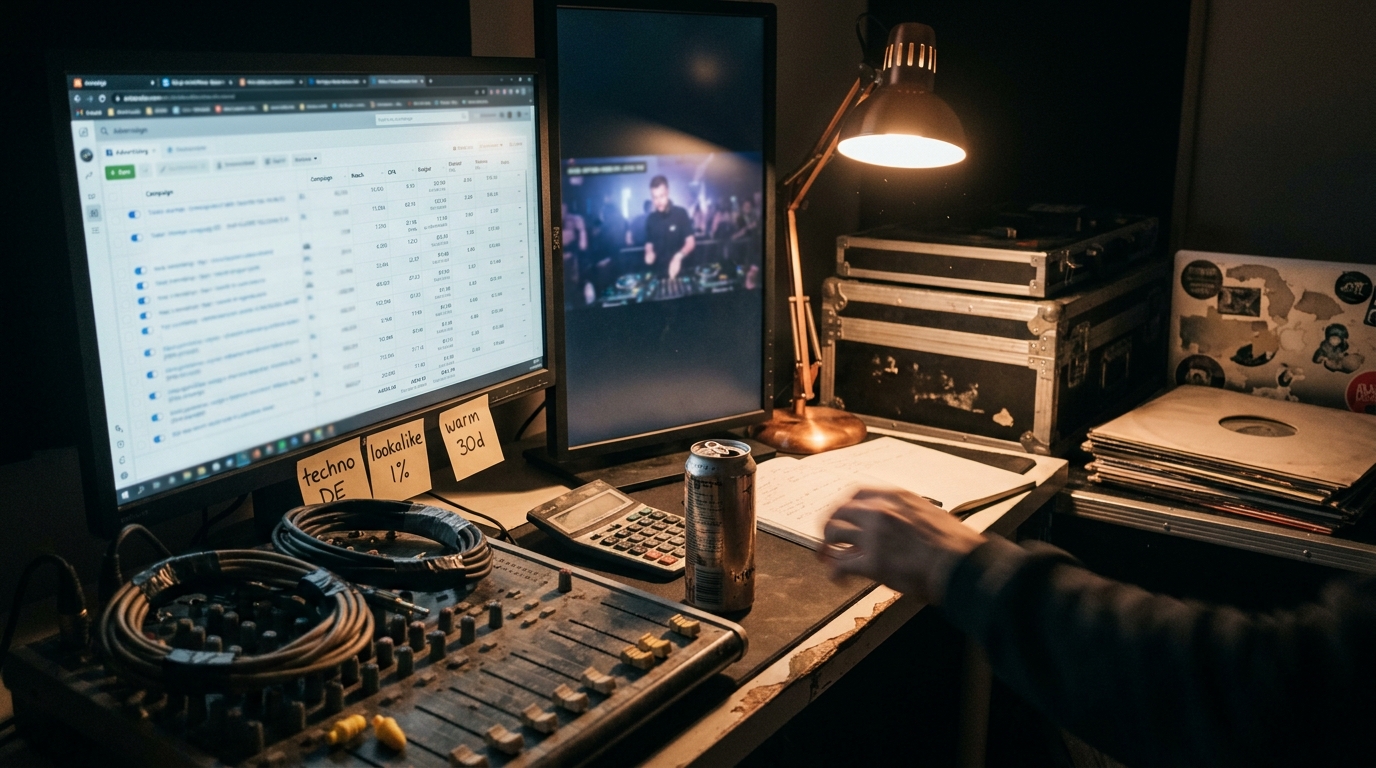
Facebook ads for musicians, run like an operator: pixel and CAPI setup, campaign architecture, EDM audiences, and verified 2026 CPM and CPC benchmarks.
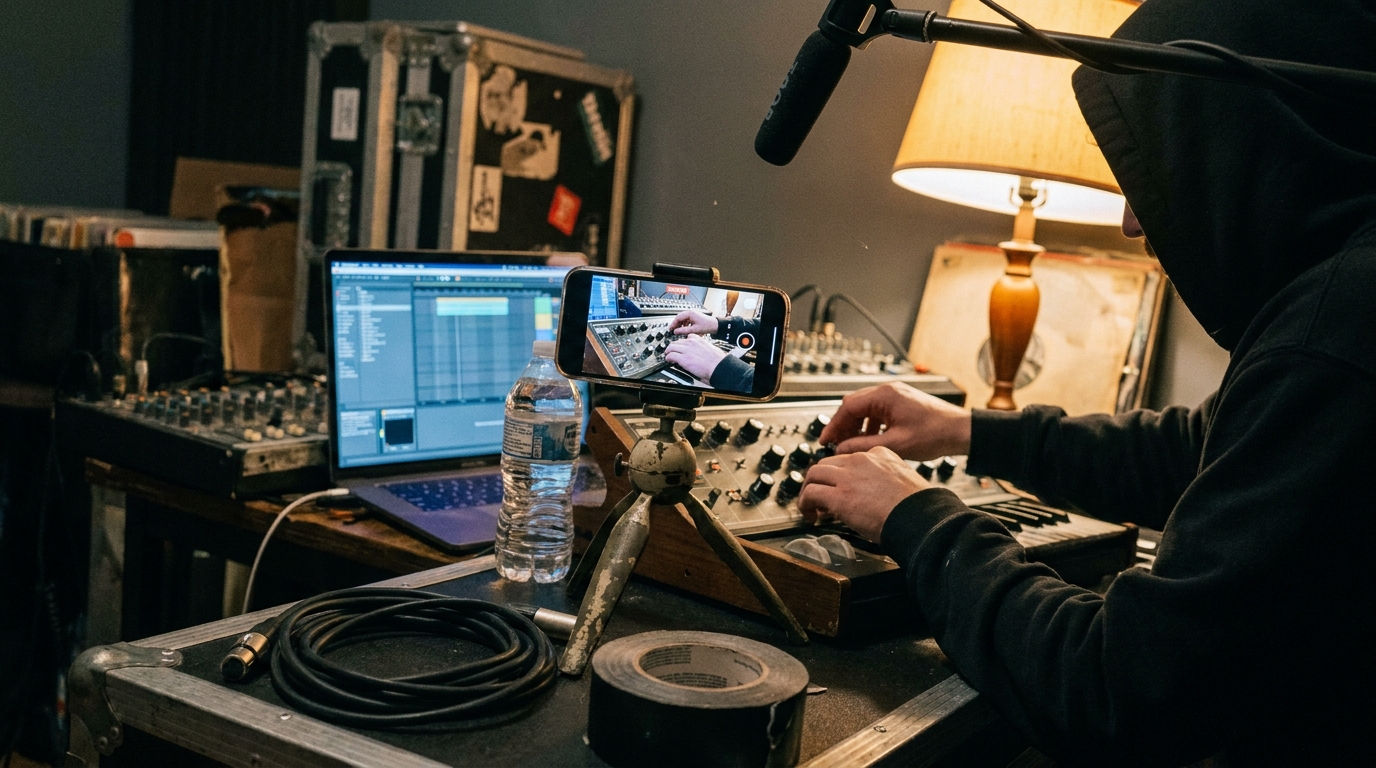
TikTok music promotion explained from the supply side: how sounds actually spread, what campaigns cost in 2026, and how virality converts to streams.
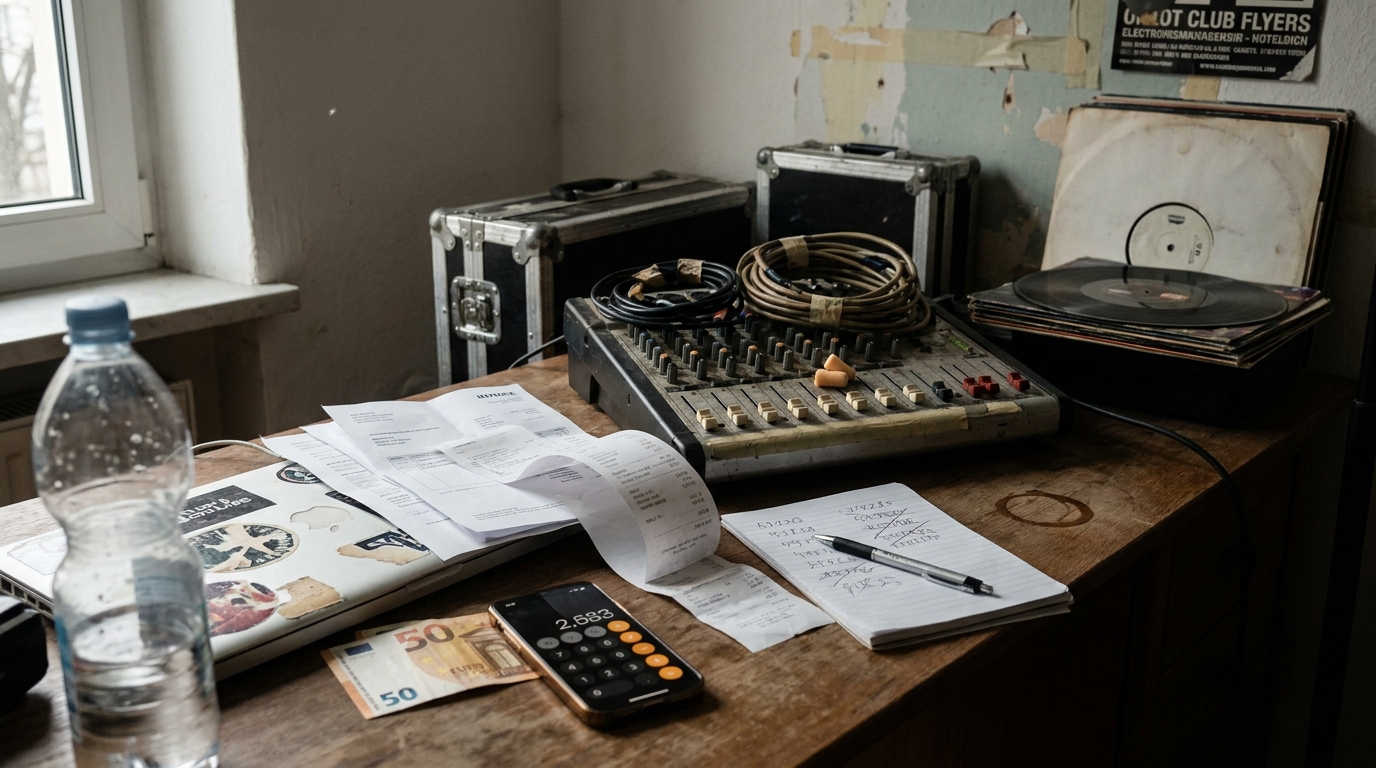
TikTok promotion cost in 2026, route by route: Promote button pricing, Ads Manager minimums, creator rates, and what €500 to €5,000 actually buys.
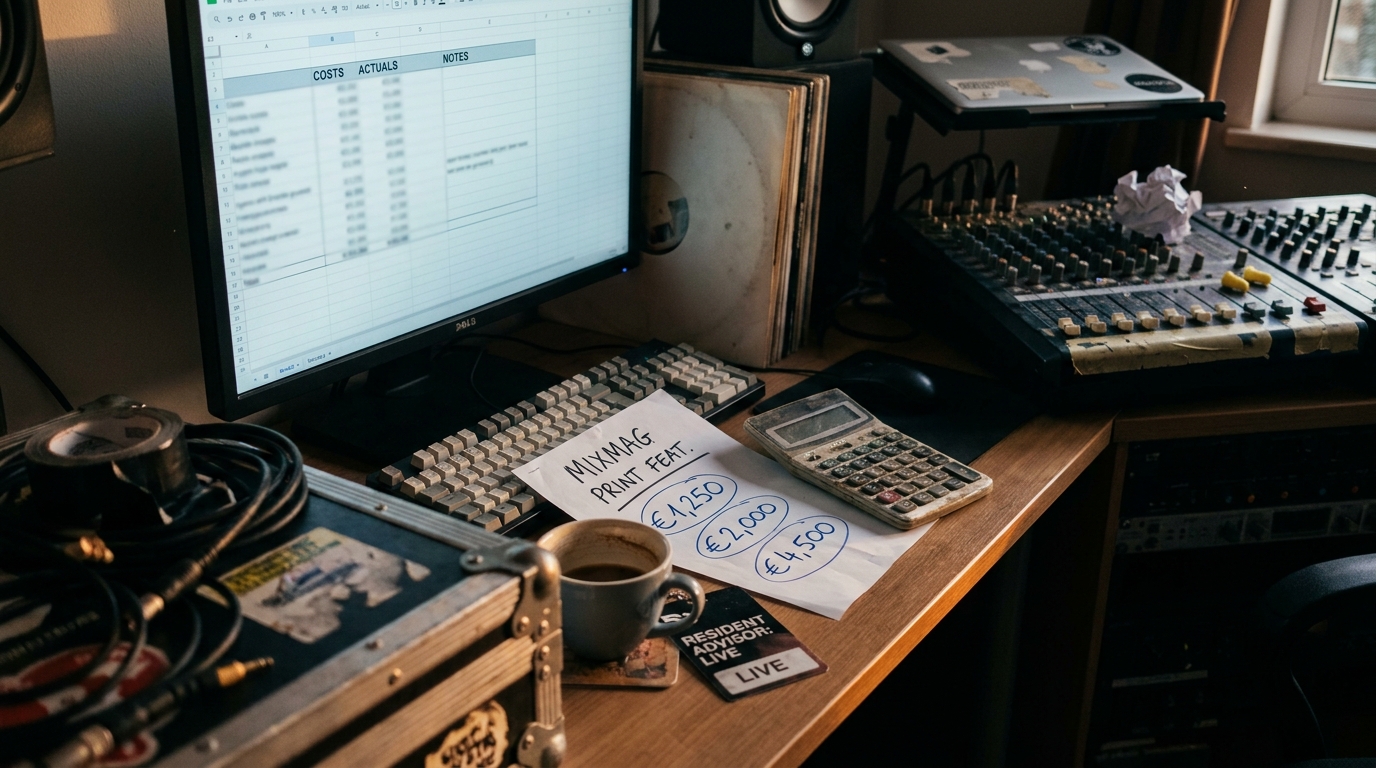
What a music promotion budget of €500, €1,500 and €5,000 actually buys in 2026: verified channel costs, allocation tables, and where artists leak money.
EDM promotion works differently than generic music marketing. A DJ and label founder maps every channel, real budgets, scams to avoid, and a 90-day plan.
How to promote EDM music in 2026: a 10-step artist playbook covering release cadence, TikTok sound content, Spotify pitching, DJ promo pools, and ads.